
I woke up in the middle of the night, having my good sleep disrupted.
That moment was so random, as I was fully awake, unaware, but unable to move my body.
The next thing I did was to try moving my body, let my mouth speak something, but only my eyes were fully open at that time.
I kept trying until I was able to move on my own, sleep again, and come the morning. Told my friends about it, and they too experienced it.
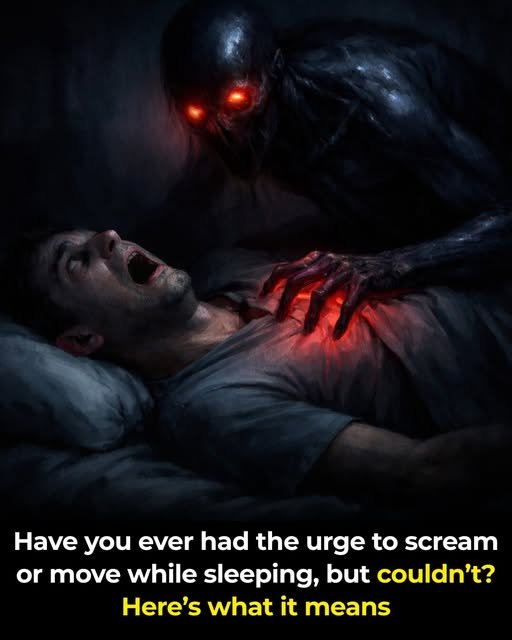
That’s when I learned that it was a sleep paralysis, where in some cases they imagined as if a demon was haunting them.
But what do we know about this phenomenon so far, as long as science can remember? Let’s figure it out.
What is Sleep Paralysis (And Why Does It Happen)?
Sleep paralysis is an event where our eyes are fully awake, but our body is off, which makes it unable to move.
Studies explained that the intense fear experienced by some people is due to the occurrence of their consciousness due to the muscle atonia of our REM (rapid eye movement).
This state is where you are stuck between having an active mind while the body remains in a dream mode.
No wonder you are imagining things that are far from reality. Lasting about a few seconds to a couple of minutes.
As they say, your entire body is partially dreaming. Unable to separate reality from fiction.
When sleeping paralysis occurs, some may experience intense fear of someone scary might be around, breathing difficulty, and a heavy chest.
Why Did I Experience it?
The only experience I have of sleep paralysis is when I was around 12 years old.
Yes, even the younger ones are not spared from having this experience.
It can also be problematic for adults, especially those who have a bothersome personal experience that disrupts their mental state.
Here are some reasons why you may experience sleep paralysis:
- Unable to adjust between different time zones.
- Anxiety or Stress
- Sleeping on your back
- Irregular sleeping pattern
- Insufficient sleep
Infrequent sleeping paralysis is not dangerous. But it can be your body’s way of telling you to check your stress levels.
If you frequently experience sleep paralysis, you need to consult a professional to check your anxiety levels.
What to Do About It?
When you experience an episode of full-body paralysis, be sure to avoid panicking, as it can make your case worse.
Stay calm and think of a solution since your mind is fully awakened at that point.
Breathe slowly and try to wiggle your tongue or toes until you can overcome the state of being unable to move.
How to Reduce the Risk of Experiencing it?
Always remember that sleep paralysis is not a lifetime illness or the result of a lack of spirituality.
It is because of your unhealthy lifestyle habits. Here’s how you can reduce the risk of experiencing it often:
- Limiting screen time and caffeine intake late at night.
- Reduce your stress levels.
- Get enough or plenty of rest each night.
- Avoid having an irregular sleeping time.
However, if sleep paralysis is affecting your daily life or your sleeping habits, seeking professional help from medical experts is a necessary action.
Sleep Paralysis is the Hated Unhealthy Lifestyle Check
Other people may blame it on your lack of faith in spiritual matters. While some argue that it has something to do with the malevolent creatures.
Only one thing is for sure about sleeping paralysis: it evaluates your unhealthy lifestyle habits that contributed to it.
It is a hated statement when your body tells you to do something about your stress, anxiety, and sleeping schedule.
If it happens again, never forget to breathe slowly and try to move or tongue or toes.
Do you have any experience with sleeping paralysis? Share with us your stories about it.
I have had sleep paralysis. I woke up and could see, but of course, could not move. I was sleeping on my stomach. Then I felt like my deceased grandmother sat down on the bed and was holding my hand, patting it like she use to in a comforting way, but I could not move to see her as I could not look that way. Then, things changed. I felt demons in the room, like I thought the devil was coming to get me. I was terrified and petrified. I eventually woke up but would not sleep in my room for days as it scared me so bad.