
A blood clot is something that coagulates inside your vessels, which forms due to an injury that blocks the smooth blood flow.
I used to think that having a blood clot was a rare complication that only hospitals could resolve.
The problem with having a blood clot is that it is dangerous when not provided with immediate medical attention.
However, there’s a way to determine that you have a blood clot.
Knowing these signs can save lives and respond to this problem as early as possible.
Who’s At Risk?
Blood clot is not an elderly problem, as they can happen to anyone.
The risk may increase due to one or a combination of the factors below:
- Smoking
- Under medication
- Pregnancy
- Surgery
- Recent Illness
- Sitting for Several Hours
- Family History
At times, a blood clot is a combination of an unhealthy lifestyle and passed down condition.
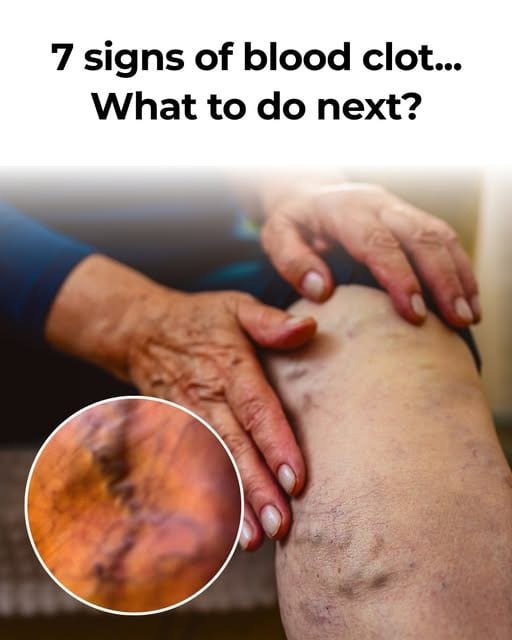
Pay Attention to These 7 Signs
- Notice when one side of an ankle, leg, or arm is larger than the other. If that area suddenly swells without any external injury, that’s likely a blood clot.
- A pain from a blood clot is characterized as tight, stronger, and cramp-like that does not improve or go away with rest.
- The clot-affected area has a warmer feeling than the rest of the body due to inflammation.
- The affected area may appear shiny, bluish/pale skin with red to purplish tones because of blocked blood flow.
- If the clot travels to your lungs, it can cause certain reactions like sharp chest pain, breathing difficulty, dizziness, and a racing heartbeat.
- Chest pain that becomes worse when you cough or breathe deeply.
- Getting an immediate feeling of unwell or unusually tired when the clot forms.
What to Do Next?
When you spot or suspect someone who has a blood clot, the next step is to determine the symptoms.
If the symptoms are mild and concerning, you must move gently and drink plenty of water.
Should the problem persist, avoid massaging the affected area and call for immediate medical help.
Severe but sudden symptoms are also dangerous to one’s health. An emergency call for medical help is the only option.
Act Early Before It’s Too Late
A blood clot is a low-key complication.
It comes silently, unannounced, bringing a dangerous feeling.
Knowing the signs, risks, and the next steps is your critical tool to save lives.
The next time you spot something odd or your gut feeling tells you that there’s something wrong.
Take immediate action before it’s too late.
The body doesn’t verbally speak for itself; you have to be mindful of the symptoms.