
The bladder doesn’t have a mouth, a social media, or a network that can verbally tell you if it’s in a bad situation.
The only way it can tell you they’re in deep trouble is by sending signals.
Perhaps many of these warnings are either taken lightly, ignored, or unknown to us.
Do you know that it sends common signals that it is in an awful state and might need immediate help?
This article discusses why bladder health matters so much.
Why Does Bladder Health Need Attention?
Your bladder is not just a quiet, vital organ. It is connected with some of your essential organs that may have been critical to your daily routine.
If the bladder is in trouble, other vital organs are also in a problematic situation.
Bladder problems affect your kidneys, confidence, comfort, and quality of sleep.
Signs of a Troubled Bladder Health
Here are the 10 known signs of problematic bladder health, and why they happen to you:
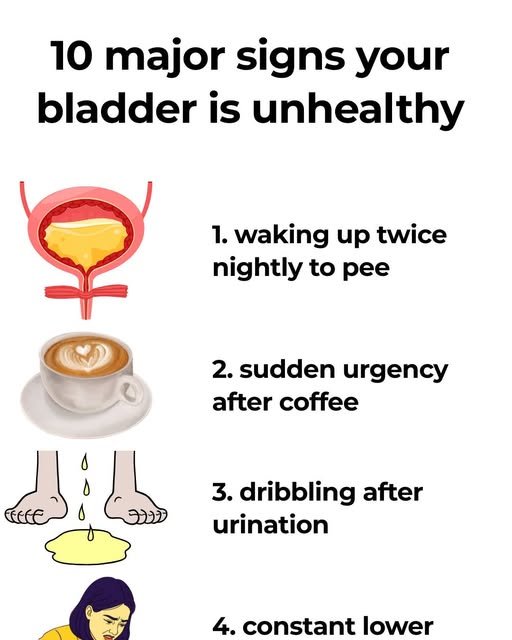
Frequent Peeing
An overwhelmed or irritated bladder makes you pee more than usual despite not drinking extra fluids.
It happens due to sensitivity to soda, coffee, or possible infections.
Much Needing Bathroom Breaks
When a bladder is irritated or overreacts, that means it always signals your brain to need more bathroom breaks.
Hurting or Burning Sensation During Peeing Session
If you happen to pee and have a burning or hurting sensation in the midst, that’s a sign of a troubled bladder.
This points to your bladder having some inflammation or urinary tract infection.
Urine Seems Different
Healthy urine is mild in odor and light yellow in color.
It has a problem when it has a strong, unpleasant smell, is cloudy, and has a dark to reddish color.
This indicates that the urine is infected, dehydrated, or has some blood component with it.
Frequent Nighttime Bathroom Breaks
Being awakened in the middle of sleep several times is not normal.
At times, this is associated with the need to pee.
This sign means that your bladder is either not fully empty or not storing the urine well.
Lower Abdomen Discomfort or Pressure
A persistent pain or discomfort in the lower abdomen points to the bladder having an infection or inflammation.
This pain suddenly exists despite not having the urge to pee.
Feeling Not Fully Empty
When the bladder is in trouble, it may leave you feeling as if you are not fully empty of pee.
This problem is due to blockage, nerve damage, or muscle weakness.
Bladder Incontinence
Having “leaks” on the bladder is a sign that your bladder support system is weak and needs medical help.
This is due to an unhealthy lifestyle, lack of movement, poor bladder function, or enlarged prostate.
Drinking Less Water to Avoid Peeing
There are some cases where people avoid drinking much water because it means much urine.
Their irritated bladder makes them pee a lot because they drank too much.
Getting UTIs Too Frequently
When your bladder is problematic, that means getting UTI too easily.
This happens because the infection can easily access the irritated bladder.
Supporting a Stronger Bladder Health
A stronger and healthier bladder requires a healthy routine that dictates a healthy lifestyle, too.
These acts or habits can help you achieve or support a healthy bladder:
- Avoid withholding urine for too long.
- Regularly drink water.
- Avoid, limit, or cut intake or consumption of drinks and caffeine.
- Act on some changes related to bladder health.
Are You Listening to Your Bladder’s Call?
When your bladder makes you go to the bathroom too often, that’s a sign of trouble or irritation.
It will also affect your daily life and rest over time when the calls are ignored.
The persistent signal of a problematic bladder means it needs a direct action, or the entire body system will be disrupted.
Being concerned with your bladder health is not a simple act of self-care, but a reflection of how attentive you are to your overall health.