
People like me have to deal with body issues, particularly with the skin.
Skin is naturally delicate, but it is vulnerable to different bacterial buildup. When this happens, you have to deal with the itchy feeling.
The usual target for this red and itchy skin is your belly fold. This is where sweat, heat, and friction are trapped, making those areas embarrassingly or uncomfortably itchy.
Although the end goal is to consult a dermatologist, there are still things we should know about having red, itchy skin.
Let’s discuss this situation further.
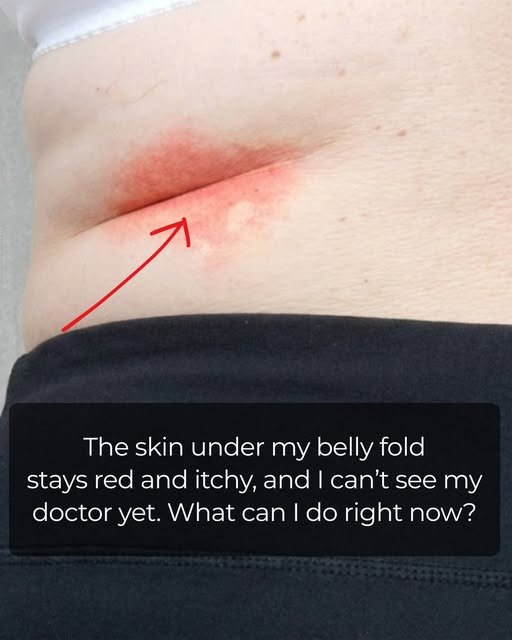
What Causes the Rash (Likely)?
The likely cause of the rashes is what we call the intertrigo. This irritation happens when your skin rubs against the moist and warm areas of your body.
For example, your skin rubbed under the breast, between the thighs, or on your belly folds.
That makes your belly folds a great environment for the sweat to build up, bacteria or yeast to thrive, and for your skin to break down.
It has something to do with how the skin reacted when it’s warmed and folded for the longest time.
Intertrigo Common Signs
If it’s likely an intertrigo, here are the common signs that you must remember:
- Have an itchy or burning sensation
- Having sore or tender skin.
- Patches are pinkish or reddish
- Appearance may likely be damp or shiny
- Slightly cracked in some cases.
Steps to Reduce Red, Itchy Skin
If you are struggling to schedule an appointment, or let’s say your dermatologist is not in your locale. Here are some ways to reduce the feeling caused by the red, itchy skin:
- Clean the belly fold gently, with no scrubbing or overwashing. Use lukewarm water and fragrance-free soap for the cleanup.
- When drying the area, pat it using a clean towel. Allow your skin to experience complete drying.
- After cleaning and drying the skin, apply some skin protection to prevent irritation. A great recommendation for this would be a liberal amount of petroleum jelly, anti-chafing products, and a zinc oxide cream.
- If the rashes are not showing any signs of improvement, apply some over-the-counter antifungal creams to the affected area.
- Your clothes matter too. You should wear cotton-made, loose, and breathable fabrics to speed the healing process. Tight clothes only promote sweat and a heat trap.
- Change clothes when it is plagued with sweat. Before wearing new clothes, apply some antifungal powder to counter the effects of sweat.
Avoid These Things
Affected skin takes time to heal. Following these steps helps ensure that healing is not sabotaged:
- Never ignore the persisting symptoms.
- Avoid applying steroid creams without approval from a dermatologist.
- Never use hydrogen peroxide or alcohol.
- Don’t be tempted to scratch the affected area.
When to Consult Your Doctor?
A doctor or dermatologist’s consultation is essential, depending on the situation. You should consult a doctor immediately if you happen to experience the following:
- Increase in Pain
- Having Open Sores
- Rashes are Spreading
- Home Care is Ineffective
But if you are still unsure of your current condition, you may schedule a consultation with the dermatologist immediately.
Handle Your Skin with Care
Your skin bears the same delicateness as your emotions. It must be handled with care.
Although red, itchy skin on your belly fold is treatable, there are cases where symptoms persist. That’s why treating your skin with care is critical.
This happens because you failed to take care of your skin. It happens often because some parts of our body are a perfect environment for these opportunistic bacteria.
Provide your skin with the necessary care it needs, not just cleanliness, but also moisturization and awareness.