
Nothing is disrupting, such as the chronic pain that you may feel.
When you have it, it affects your routine, chores, and lifestyle.
There are days when that pain is unbearable, which makes you unable to perform even the simplest task around you.
That pain is not just the lone problem, considering it can recur for a few days.
Did you know that millions of people worldwide are dealing with such discomfort, such as joint pain, migraines, fibromyalgia, back pain, and arthritis?
People who are dealing with it have to take some medications or medical treatments, but it can only alleviate the pain.
However, many didn’t realize that they had overlooked something essential to managing the pain.
Nutrition.
Recent studies suggest that specific foods can help your body manage inflammation associated with persistent pain.
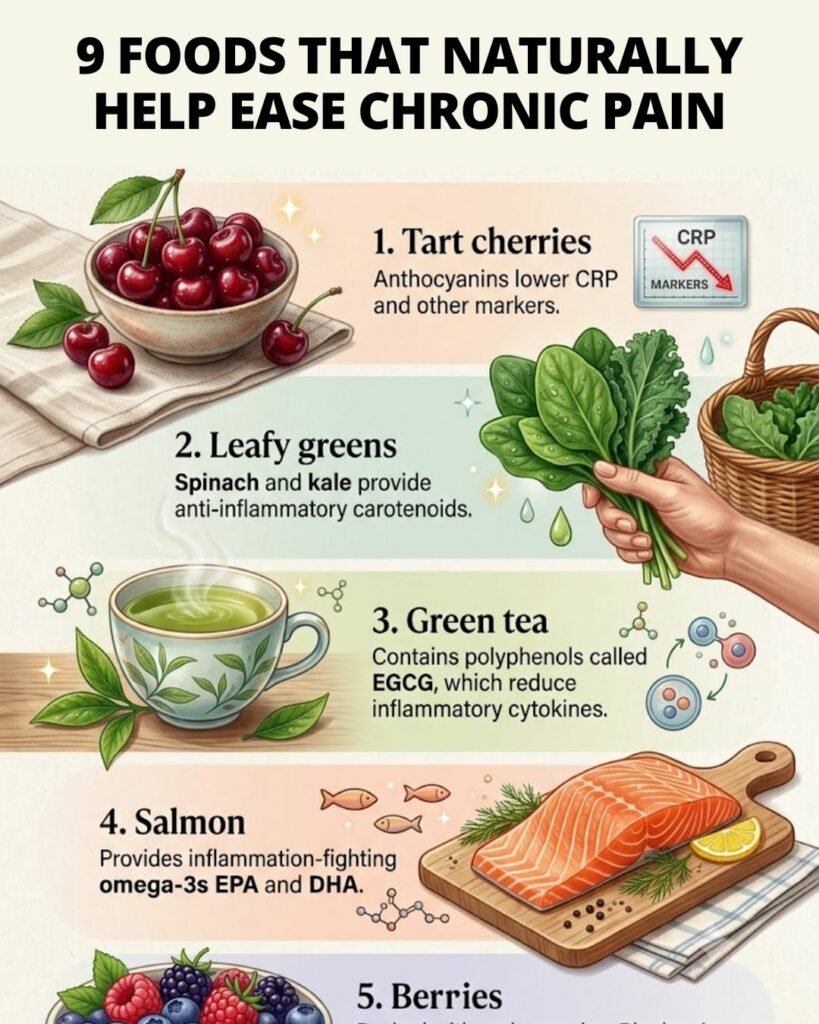
These foods are just healthy.
They are also filled with nutrients and anti-inflammation.
Here’s your basic guide towards chronic pain management:
Diet and Chronic Pain: The Connection
We are what we eat, as they say.
Including the consequences associated with what we consume.
That’s why we have to be careful about what we eat.
There are certain foods we must eat and also avoid.
We must be knowledgeable about our diet, its nutrients, allergy triggers, and effectiveness in reducing chronic pain.
Some foods have anti-inflammatory properties that can help our body recover quickly from sickness or injury.
Dealing with an ongoing inflammation is a big challenge.
It can contribute to the following conditions:
- Body fatigue
- Back pain
- Minimized mobility
- Arthritis
- Sore muscles
- Stiff joints
Think of a healthy diet as one of the ways to manage chronic pain.
It may not be the sole solution to this challenge, but it can help you deal with it.
This is your guide for foods that can support reduced chronic pain.
Fatty Fish: Effective for Managing Pain
Fishes that are rich in fats are rich in anti-inflammatory properties.
This food group is rich in omega-3s that strengthen heart health and reduce body inflammation.
Examples of these omega-3-rich fish are:
- Herring
- Mackerel
- Salmon
- Sardines
- Tuna
You may pair the fish with whole grains or veggies for a better meal.
Berries: Nutrient-Packed Foods
Berries are sweet, tiny, and handy.
What’s so special about them is that they are packed with nutrients and antioxidants.
They are essential in strengthening your body and health.
Examples of berries you can consume include:
- Blackberries
- Blueberries
- Raspberries
- Strawberries
They can be a suitable alternative when craving sugary drinks or sweets.
To enjoy them better, you may pair them with:
- Oatmeal
- Salads
- Smoothies
- Yoghurt
Leafy Greens: Reduce Daily Discomfort
Leafy greens are foods you can’t belittle.
They are not just a decorative part of your meal; they provide nutrients to your body.
This food group is rich in minerals, vitamins, and fiber.
Leafy greens are best added to:
- Protein-filled meals
- Soups
- Snacks
- Smoothies
- Salads
Leafy green examples that reduce chronic pain include:
- Arugula
- Collard Greens
- Kale
- Lettuce
- Spinach
- Swiss Chard
Seeds and Nuts: Sweet Treats for Pain Relief
Nuts and seeds are good sources of essential nutrients, like fiber, fats, protein, and other minerals.
They are also promoted due to their ability to boost your nutrition.
Examples of nuts and seeds you may consume are:
- Almonds
- Chia Seeds
- Flaxseeds
- Walnuts
You can eat them as snacks or as an ingredient in your healthy meal.
Turmeric: Spice with Natural Anti-Inflammation
If there’s one spice that deserves more recognition, that’s turmeric.
It is known to contain curcumin, a compound that triggers its natural inflammatory response.
Turmeric doesn’t claim to be a cure for joint discomfort.
But it is consumed to achieve a balanced diet.
You can add turmeric to the following:
- Curries
- Milk
- Rice dishes
- Roasted veggies
- Smoothies
- Soups
- Tea
Olive Oil: The Fat That’s Worth the Hype
Olive oil is known for its numerous health benefits.
It is considered the apex of the Mediterranean diet.
This oil is sourced for its monounsaturated fats.
It stood among the rest of the oils because it doesn’t have heavily processed fats.
Whole Grains: Better Carbohydrate Option
Not all carbohydrate sources are the same.
Some carbohydrates are considered the better choice.
They can be a great source of minerals, vitamins, and fiber content.
Better carbohydrate options you can choose from are:
- Brown rice
- Oats
- Quinoa
- Whole Grain
- Whole Wheat
Something better than eating white bread or white rice regularly.
Diet Versatility
Diet is crucial for lessening the feeling of chronic pain.
But you can’t stay healthy and nutritious on a few food options.
That’s why you must enhance your diet and ensure that it is varied.
When you have lots of food options, you can source the nutrients your body needs.
Moreover, these foods have anti-inflammatory properties.
Your diet will be that vibrant if you add:
- Citrus fruits
- Root crops
- Leafy greens
- Botanical fruits
- Leafy greens
Foods that Boost Inflammation
Implementing a healthy diet and habits is not just a trendy act.
Doing it is a big favor for your health.
This is not just for:
- Sickly
- Hospital patients
- People with joint problems
- Elderly
- Sensitive people
All of us need it to reduce the feeling of chronic pain.
Whether you are a person of good shape or someone with recurring discomfort, it’s best to avoid consuming foods that boost inflammation.
Never consume them frequently.
These foods are:
- Processed meats
- Processed snacks
- Alcoholic drinks
- High-sugar beverages
- Sweets
- Fast food
It’s best not to eat them regularly.
They bring not just discomfort to your body, but also health risks you may not know.
Sample Menu for Chronic Pain Management
Managing the pain has never been easier.
That’s why your daily diet must adjust to avoid triggers.
You don’t need to make your menu that complicated.
Just remember, the food nutrition can be your guide in creating such a great menu.
That’s the key to achieving effective chronic pain management.
Here’s a sample of how you can make a healthy menu for the entire day:
Breakfast (Light Meal, Stomach-Friendly)
Oatmeal with walnuts, chia seeds, and blueberries.
Lunch (Regular-Sized Meal, Energy-Focused)
Grilled salmon with mixed leafy greens and olive oil dressing.
Snack (Healthier Treats)
Fresh fruits or nuts (almonds are highly recommended).
Dinner (Delightful Yet Flavorful)
Brown rice, steamed veggies, and lean protein seasoned with herbs.
Healthy Habits That Support Chronic Pain Management
Aside from a healthy diet, it’s more effective when joined with healthy habits.
That’s because nutrition alone is not just what your body needs.
You can also benefit from the following:
- Quality rest
- Well-hydrated body
- Active physical activities
- Medical consultation (if needed)
- Stress management
- Strong support
- Motivation and mindset
There is no single habit that manages chronic pain.
It’s better to have healthier habits to secure your body’s wellness.
Strategic Pain Reduction Plan: Healthy Diet + Activities
Chronic pain is a bigger challenge when you and the rest of the million people are facing it.
However, you don’t have to suffer from it every day.
Instead, you can combat that by doing healthy habits and eating nutritious meals.
Food may not be a permanent substitute for a medical treatment, but it can help alleviate the pain.
Craving for palatable yet unhealthy meals? Change to nutritious meals.
Pair it with healthy habits that make up your routine to discourage a sedentary lifestyle.
You’ll know the difference.
Are you going to suffer from that recurring pain?
If not, don’t let it permanently disrupt you or your routine for too long.