
Color is synonymous with power; it provides direction and meaning to whoever wields it.
A life without colors is like a bland soup that has no purpose or satisfaction.
Everything we do and sense has a color that provides meaning to something.
Imagine being one of the colors. What would you be and why?
Asking this would give you an idea of how crucial understanding the psychology of colors is.
They represent emotions, helping our consciousness to find and grasp meaning.
Most of us use color as a symbol of:
- Artistic talent
- Expression
- Unique identity
- Preference
- Mood
- Creativity
- Worldview
Although Science does not support color psychology, researchers agree that it affects attention, perception, and emotions.
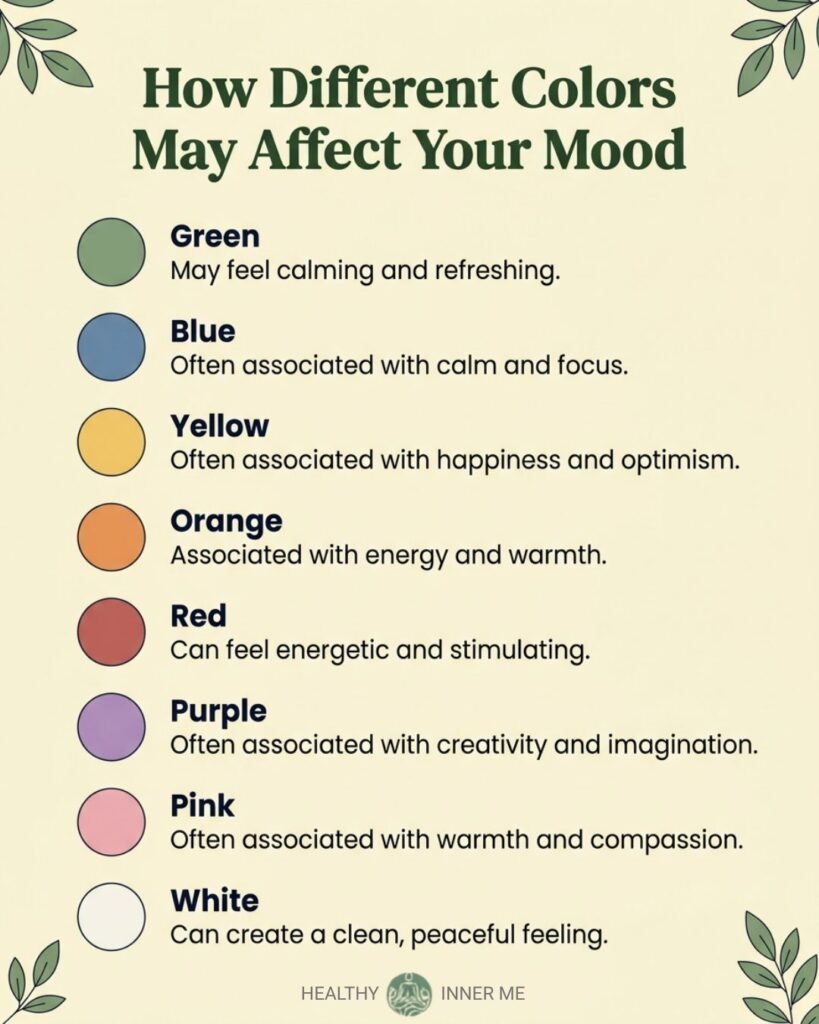
What’s Color Psychology?
Color psychology is the analysis of various colors in an attempt to explain human behavior and emotions.
Experts recognized four factors that make up the color psychology; these are the following:
- Personal experiences
- Environment
- Culture
- Biology
For example, blue symbolizes calmness, quietness, and humility because humans associate it with the qualities they find in substances with such a color.
However, there is no exact symbolism of each color or the qualities they truly represent.
Most of these explanations offered by the psychology of colors are subjective definitions from those who chose them.
Our reasoning provides meaning for that specific color, guided by our emotions and intellect.
That’s the reason why we tend to choose colors for specific things, such as:
- Wallet
- Accessories
- Style
- Curtains
- Furniture
- Apparel
Understanding Known Colors
Here are some examples of colors and what they mean:
Red: The Undeniable Head-Turner
One thing you will love about red is not because it symbolizes passion or romance, but because red is a color that calls for attention.
Red is associated with qualities like:
- Courage
- Confidence
- Attention
- Excitement
Imagine walking in a red polo shirt all by yourself.
Whether you are somewhat physically confident or not, people will turn their heads to you.
That’s why red is a typical chosen color in restaurant colors and promotional strategies.
But because red, as a color, holds much attention, it can also make you dull when you use it so much.
Blue: Feeling Meek and Relaxing
Blue is associated with water, clear skies, and pacified bodies of water.
The color is best associated with qualities like:
- Serenity
- Meekness
- Stability
- Trustworthiness
- Solmenity
Unlike red, blue has always thrived in being secure and patient, less on drawing attention.
That’s why some institutions use the color, such as:
- Tech companies
- Banks
- Hospitals
Yellow: The Emblem of Optimism
Yellow is associated with qualities that reflect its radiance:
- Energetic
- Satisfaction
- Brightness
- Creativity
- Optimism
Because it is naturally bright, it’s enough to bring people together.
That’s how Yellow manages to get people’s attention.
Imagine a room or an environment with yellow in it.
These rooms or environments always have morning vibes with them.
Yellow is naturally stimulating, but over-applying it could also overwhelm people.
So be careful how you may use its shine.
Green: The Therapeutic Boss
A color that is not overwhelming?
Yes, it exists.
Green symbolizes the following qualities:
- Life
- Nature
- Renewal
- Healing
- Health
Green is nature’s color; no wonder it heals us while we’re in the midst of being overwhelmed.
Have you thought of the commonalities among pastures, rows of houseplants, natural parks, and forests?
They have one thing in common: GREEN
Green feels refreshing to those who love it.
This is why some institutions prefer to use green, like:
- Healthcare
- Agriculture
- Farms
- Tourism
- Environmental organizations
- Wellness brands
Orange: The Balance of Warmth and Coolness
Orange is a color that symbolizes qualities such as:
- Supportive
- Welcoming
- Coolness
- Enthusiasm
- Independence
- Freshness
- Peak
The balancing factor brought by the orange makes it less overwhelming.
Unlike yellow, orange is challenging to pair with other colors.
It can be a standalone color or can be paired up (if done correctly).
A room full of orange promotes:
- Fresh ideas
- Uplifting mood
- Invites better interaction
- Brought uniqueness
Purple: The Icon of Royalty and Rarity
Purple has always been associated with rarity because history informs that it was challenging and costly to produce.
That’s why royalty back then could afford items with the color.
However, purple might be such a rare icon that it can be associated with other qualities.
The following are:
- Wisdom
- Vision
- Independence
- Creativity
- Attraction
Other people surround themselves with this color because it inspires them.
Black and White: Opposites that Work Harmoniously
White and black are common partners that are perfect opposites of each other.
At the same time, they are perfectly matched and complement each other.
White symbolizes the following:
- Humility
- Simplicity
- Cleanliness
On the other hand, black is always matched with qualities like:
- Competitive
- Luxury
- Formality
The perfect fusion of black and white became the joint theme for modernity and minimalism.
Pink, Brown, and Gray: Shades of Humble Effect
Brown, Gray, and Pink are also impressive color choices.
Each of these colors is also unique and has its own best qualities that help understand human complexity and emotions.
Brown is associated with:
- Simplicity
- Naturalist
- Contentment.
While Pink is best linked with qualities like:
- Softness
- Affection
- Kindness
However, Gray is a standard of qualities, like:
- Neutrality
- Pragmatism
- Professionalism
These three colors are neither loud nor craving for attention.
These colors prove that not everything good should always be showy.
Are Colors Essential?
Yes, colors are essential.
But not all colors fit our personality.
According to the researchers, colors have an influence on human behavior through the following:
- Attention
- Perception
- Mood
- Styles
No color symbolizes all of the best qualities the world has ever known.
Color psychology acts as a guide for people to understand the perfect rhyme for an incomplete substance.
Color Proves Human’s Rationality
At a surface level, colors are what make visual decorations beautiful and meaningful.
However, colors are beyond our comprehension. It’s best understood through our experiences, our realities, our worldviews.
Color psychology was a helpful guide for people to appreciate life and its complexities.
The color we personally choose for ourselves, our objects, and everything.
Now that you’ve understood both the essence and the meaning of each color, it’s time for you to use them wisely.
Just like a tool in your home, colors are a great asset when you learn to use them the right way.
Pair it with your wits, and you’ll see how everything will turn out to be amazing. You’ll realize that learning these colors became an effective way to learn about yourself and your capabilities.