
I remember my friend cooking the fresh shrimp they caught from the ocean.
Since I am not fond of cooking or eating shrimp, I just watched my friends cook it happily.
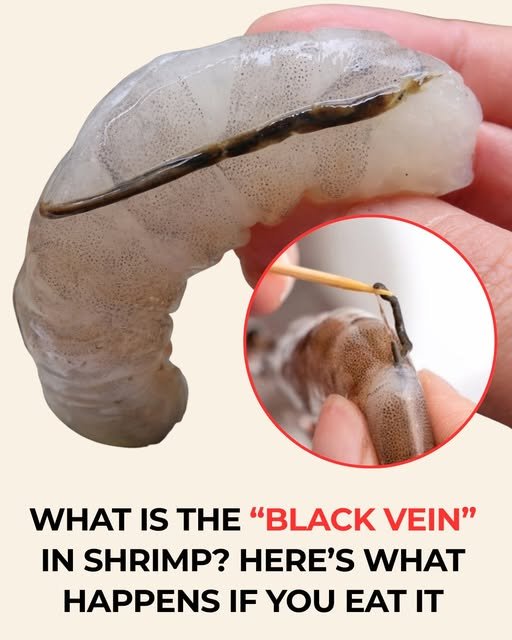
One time, my friend told the other about removing a part of a shrimp. He pertained to the dark, thin line running along the back of the shrimp.
I got more curious about it and asked my friend what it is.
So I asked my friend the million-dollar question, “Is removing that black vein safe or risky for health?”
What is That “Black Vein”?
The dark line of the shrimp is not a vein in actuality. It is the digestive tract of a shrimp.
In simple terms, it’s where the waste of the shrimp passes through.
That part contains grit, sand, and digested meals.
Consuming it would not harm you. But let’s be clear, that part of the shrimp should not be part of your diet.
Does Removing the Dark Line Required?
Removing the dark line of the shrimp is necessary. Even restaurants remove them, no matter how small the shrimp is.
Here are great reasons as to why it is best to remove them:
- Retaining it leaves it an unpleasant or slightly bitter taste.
- If the shrimp is not properly cleaned, expect some sandy aftertaste.
- Not appealing to your food style.
When is the Right Time to De-Vein Them?
The right time to de-vein or remove the dark lines of the shrimp is when they are medium or large in size.
These dark lines can affect the taste and appeal of the meal.
However, small shrimp can be either retained or de-veined. As long as those who consume the meal won’t make it an issue.
How to Prepare and Clean the Shrimp Well?
Here is the step-by-step procedure on how to clean and prepare your shrimp well for your meal:
- Remove the shell of the shrimp.
- Use a small knife to cut the back of the shrimp.
- Remove the dark line of the shrimp.
- Soak the shrimp in cold water and rinse them.
- Remove any shrimp’s leftover residue and let it pat dry.
How to Avoid Overcooking the Shrimp?
You have to bear in mind that shrimp have delicate meat, so they can be cooked very quickly.
The shrimp can typically be cooked for about 2 to 3 minutes on each side.
When the shrimp turns firm, shaping a C-like form, and is pinkish, that means the shrimp is well-cooked.
A shrimp that became O in form, tough in flesh, and rubbery in texture is already considered overcooked.
Why You Should Prepare and Clean Your Shrimp is Great for Your Health?
Shrimp is rich in Vitamin B12, Selenium, high in protein, and low in calories.
But you can only appreciate their meat when you properly prepare and clean them.
It’s essential to de-vein the shrimp to lessen any bitter, bland, or sandy aftertaste.
Invest some time to prepare and clean the shrimp properly, as it can contribute greatly to your health.
Great Food, Great Health
The black line in the shrimp is totally safe. But it must be removed because it affects the taste.
If you aim to have a shrimp meal with a slightly bitter or sandy taste, don’t de-vein it.
But to appreciate the meat of the shrimp, de-veining matters a lot.
Regardless of how you decide on the black veins on the shrimp, cleaning them matters a lot to your health.
The ocean is an unclean environment. Shrimps are considered the janitors of it.
That’s why preparing and cleaning the meat is essential for your meal’s taste and for your long-term health.