
By ten past four on a Wednesday, your phone has counted 2,140 steps, most of them between the stove and the laundry room. The dog has been sitting by the door with the leash in her mouth since lunch. You do the math on the other 7,860 and laugh out loud. Instead you pull on the green coat with the broken zipper and tell her one lap, school and back. By the blue mailbox on Elm you’re already asking yourself whether twelve minutes of this is worth the bother.
You’re far from the only one asking, and that doubt is a big reason Japanese walking spread so fast online. Eugene Teo, a fitness coach from Australia, filmed a 39 second clip about it. That clip racked up more than 10 million TikTok views, plus another 17 million over on YouTube, according to the Los Angeles Times. His message was easy to like. Stop chasing a number. Grab half an hour and use two gears.
None of this started on social media, and people in Japan don’t walk this way on the street. It began in a research clinic in Nagano, where volunteers in their 50s, 60s and 70s tried it out for years. Women outnumbered men among them by about three to one. So here’s what those volunteers got out of it. You’ll also see where the online promises run ahead of the science, and how to try it on your own block.
The Small City Lab That Started It
Back around 2004, a sports medicine professor named Hiroshi Nose and his research partner, Shizue Masuki, had a problem to solve. Older adults would start an exercise plan with good intentions and drop it within weeks. Gym routines asked too much of them, and running was out for many. So the two Shinshu University scientists turned to the one activity nobody had to learn.
What they came up with needs a watch and two speeds. Three minutes go to quick walking, quick enough that if a friend asked you something, you’d answer in two or three words. After that you coast for three minutes, swinging along at an unhurried stroll. Do that fast and slow pair five times in a row. It takes about half an hour, and the plan called for four or more days each week.
To test it, the team recruited 246 healthy adults and sorted them into three groups. The trial ran in Mayo Clinic Proceedings in 2007. Their average age was 63. One group kept living as usual. A second bunch kept a comfortable, even speed and tried for 8,000 steps a day on a pedometer. The last group switched gears the way the recipe said.
Five months later, the gear switchers had pulled clearly ahead. Their thighs had gotten 13 to 17 percent stronger, depending on which muscle the team measured. On a treadmill fitness test, they scored about 9 percent higher than before. Their top blood pressure number also fell more than it did in the steady walkers, who gained much less in legs and stamina.
The Fast Minutes Did Most Of The Work
A bigger study followed. In 2019, Masuki and her colleagues went back over records from 679 walkers whose average age was 65. After five months on the plan, their fitness had climbed 14 percent. A single tally that rolls together blood pressure, blood sugar, cholesterol and weight slid 17 percent.
Then came the surprise. How long people walked overall told the researchers almost nothing. The easy minutes didn’t predict much either. The quick minutes did. Gains kept rising until people reached about 50 fast minutes over the week, and past that point they flattened out.
Picture your own Saturday. A slow hour along the river with your sister is good for the soul, and nobody should give that up. Still, the parts of a walk that leave you slightly puffed seem to be where legs and heart get their training. Four outings a week, each with five quick stretches, would already carry you over that 50 minute line.
Many of us feel why that matters. Steps up to the attic seem taller every winter. Getting out of your mother’s old recliner now takes a rock forward and a grunt. Thigh muscle thins out bit by bit after 40. Our story on things that get harder as we get older looks at other changes like it. Walks that make those muscles work a little harder may help you carry your own groceries for years.
What The Experts Are Less Sure About
Some doctors would rather everyone calm down. Helga Van Herle, a heart specialist at Keck Medicine of USC, noticed a flaw in the 2007 trial. Of the two walking groups, only the gear switchers wore little tracking devices. If you knew a gadget on your hip was reporting back to the lab, you’d probably walk faster too. Van Herle thinks that may have nudged the numbers.
Her colleague Parveen Garg found the routine “kind of onerous” for some walkers. He meant the fussing. You watch a clock, change pace on cue, and keep wondering if “fast” is fast enough. That’s a lot to juggle on a Tuesday stroll. He also pointed out that the first trial was modest in size and was meant to start a conversation.
The name bugs some people as well. Yasuyuki Suzuki, a heart imaging doctor based in Tokyo, said people in Japan aren’t buzzing about it the way people overseas are. Some influencers go much further and say half an hour this way beats a 10,000 step day many times over. Research hasn’t gone that far, and nobody has shown it can stand in for moving around all day.
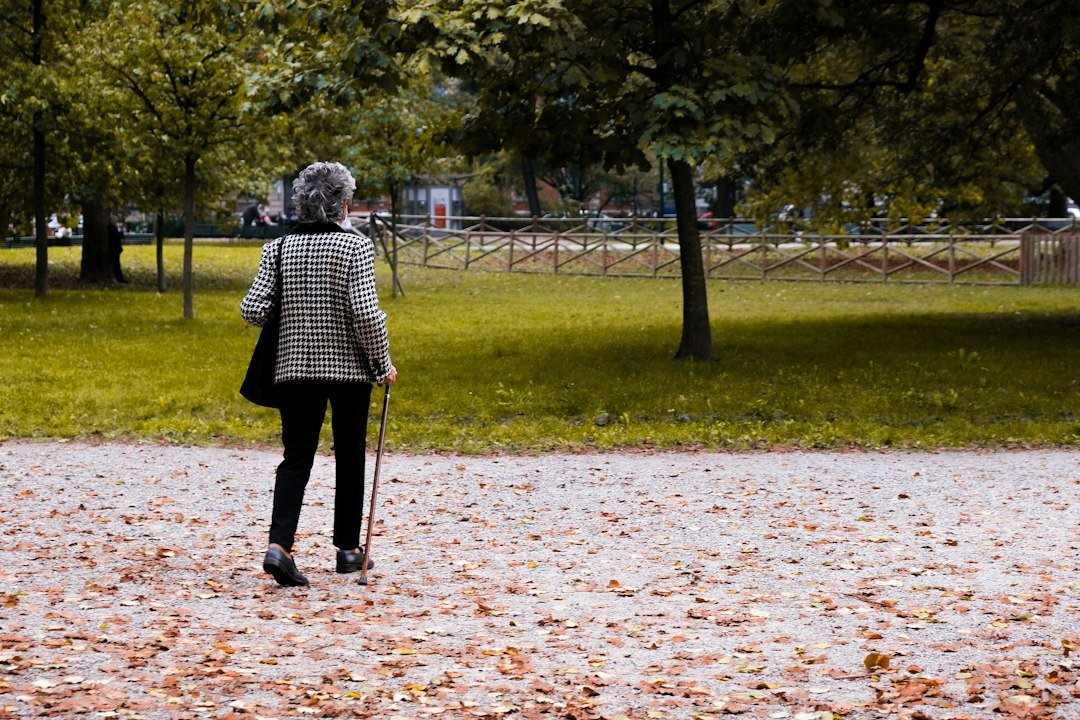
For all their doubts, none of these doctors told people to skip it. Short spells of real effort help the body. For most of us, walking may be the kindest way to get them, and Japanese walking packs those spells into a tidy half hour.
Trying Japanese Walking On Your Own Street
Give your calves five lazy minutes first, the kind of pace you’d use window shopping. Flat ground makes life easier. Think of the paved ring around the duck pond or that dead end street behind the church. Raised tree roots and uneven slabs sneak up on you when you’re hurrying.
When it’s time to go quick, bend your elbows, let them swing, and reach a few inches farther with each foot. Saying “nice morning” to a neighbor should be possible, but a whole story about your grandson should not. On the slow part, ease back until you could hum along to the radio again. Keep your feet moving the whole time.
Three quick minutes can feel long the first week, and nobody is grading you. Lauren Wichman practices sports medicine at the Cleveland Clinic. She’s fine with 45 second spurts to begin, or with ten minutes out the door instead of thirty. Add time slowly over the following weeks.
Wichman also notes that doing it four times weekly lands you near the 150 minutes of heart pumping activity most health groups advise for adults. A couple of easy strength and balance moves on your off days fill in the gaps.
Teo does most of his on a treadmill, which beats an icy sidewalk in January. Some women set their phone to chime every three minutes. That way they can enjoy the bare trees instead of staring at the clock.
A Writer Who Gave Up On 10,000 Steps
Amy Glover writes about lifestyle for HuffPost UK, and for ages her step goal kept beating her. Then she came across Japanese walking and decided to test it. Changing pace every few minutes kept her from getting bored. Walks that used to drag felt quick, and she went out more. Before long her daily average had grown by a couple of thousand steps, and she said she was done with the old way.
Nose and Masuki watched the same thing happen in Matsumoto. Lots of their volunteers carried on after the study wrapped up, in part because the plan never felt like too much. A walk you’ll happily repeat on Thursday will do more for you than a perfect one you abandon by Sunday.
Before Your First Brisk Lap
There’s no jumping or pounding here, which is why most people in the trials did fine with it. Still, check with your doctor first if you live with heart disease or blood pressure that keeps running high. Sore knees or hips, or an injury that’s still healing, are good reasons to ask too. The same goes if the couch has been your main friend for a while.
Stay tuned in to how you feel out there. Slow down or stop when you get lightheaded, feel sick, or can’t catch your breath. If your chest feels tight or painful and resting on a bench doesn’t ease it within a few minutes, phone 911 or your local emergency line. Puffing a bit is the point. Feeling ill never is.
A stroll after supper helps in its own way. We explained why in our article on a short walk after dinner and your blood sugar. Nothing stops you from doing both on different days.
On a wet afternoon you can follow along with SeniorShape Fitness in your own living room, where each song marks a fast or slow round.
Final Thoughts
Japanese walking won’t melt ten pounds by Christmas, and the studies are smaller than the videos let on. What they found is still worth something. Tuck a few stretches of real effort into an ordinary walk. Your legs and heart get more out of that than from one gentle speed all the way around.
No gym card is needed, and nobody cares about your step total. Wear the sneakers that don’t rub your heel, go somewhere you feel safe, and set aside thirty minutes on three or four days. Begin with short quick bits, and stretch them out as your body catches up.
Would you give Japanese walking a try with your dog or a friend? Or do you love your slow and steady stroll too much to change it? Let us know in the comment box below.