
Have you ever wondered why your cat is so clingy? In the sense that your bed is treated as theirs as well.
A place where your beloved cat decided to stay as well, and would die for a spot.
Cats do this not because of you alone or of random thought, but because of something worth thinking about.
Pet enthusiasts confirmed that cats always sleep in the areas where they feel that they can entirely trust and achieve the comfort they truly want.
It can be a bit clingy, let’s say in your bed, but that’s their instincts telling them of a suitable place right for the warmth they need.
But why does your cat always sleep on my bed? Is it from a sense of loyalty or a matter of territoriality?
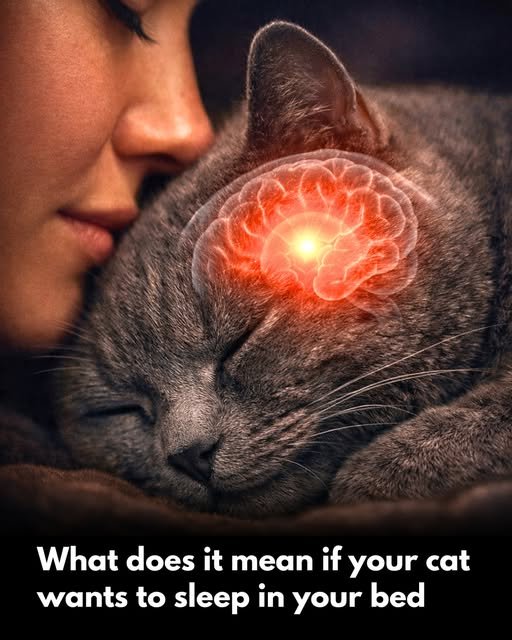
Natural Picky Sleepers
Cats typically sleep for up to 16 hours a day. However, cats don’t do that in an environment where they feel unsafe.
They have managed to keep their instincts in the wild, choosing a sleeping environment as a matter of life and death.
Experts observed that cats typically choose an area with standards such as the level of safety, warmth, smell familiarity, and predictability.
If your bed happens to be their sleeping spot, it’s because they believe that it has what it takes to be their safe place, too.
A Matter of Trust
When a cat is always sleeping on your bed, congratulations, that is a total flex.
Cats sleeping beside you is a matter of trust, a safe spot where they believe letting their guard down for a rest is entirely harmless.
They can only relax at the time when they fully trust the environment, or when they believe that nothing worse will happen to them.
Once your beloved cat is in your bed, they will sleep beside you, on your legs, or on your chest.
The key there is how much they trusted you as their safe space.
Your Warmth is Their Comfort
One of the cats’ standards for their safe resting environment is warmth. Even we, humans, love something warm on a cold, solitary night.
This is why some cats prefer to sleep beside or near your presence, where they can feel your warmth.
Your body heat is what gives them the right humidity for a great rest.
Your Bed Feels Like Home
When your bed starts to feel like their safe space, the smell becomes their pattern as well.
That scent will be put in their instinct, telling them that it’s their safe space, an environment they can call home.
Experts confirmed that cats often leave scent, marks, or rub the soft spots in your bed to let their instincts know that it’s their spot.
Allowing their emotions to be wired for something they can feel and sense anytime.
Strengthening the Bond
Cats are not as physically affectionate as your pet dogs. They have their way of showing their deep bond towards their owner.
Animal experts believed that the way cats express their affection is through sleeping together. A habit that they inherited from their kind since they were kittens.
Sleeping together is considered their love language, a bonding ritual where the bond between them and their owners is strengthened.
Routine Familiarity
Cats are marking not just their spot, but also their owner’s routine. They would love it if the routine had consistency.
Predictability is what keeps them alert when to sleep and when to wake up. A routine they familiarize to know when is the safest hour for sleeping.
They wanted to predict something and be involved in their human owner’s daily activities.
Specific Bed Spots
Specific bed spots where cats marked as their resting area have a different meaning. Here’s what you need to know about these spots:
- Near your head – Cats have a high sense of trust and attachment to you.
- On the chest – It makes them feel comfortable and warm.
- On the feet – A strategic place where they can rest and move rapidly if necessary.
- Between the legs – They feel warm and protected.
Their chosen spots define their relationship with you as their owner.
What Do the Experts Say About This?
Veterinarians confirmed that bed-sharing among the owners and their cats is normal.
This is fine if you are not allergic, have no breathing problems, are free from fleas, and are entirely healthy.
However, if the cat is affecting your ability to get quality sleep. It is fine to create some boundaries.
Don’t worry about it, your cats understand you.
Pay Attention to Changes
Always take heed when your cat becomes so clingy during sleep. Experts have recommended observing the changes in their sleeping habits.
For some time, changes may indicate that they are in discomfort, pain, anxiety, stress, or undiagnosed health complications.
If you happen to observe your cat having an unusual sleeping behavior, a veterinarian check is the wisest solution for it.
Sleeping with Cat: A Compliment or a Curse?
When your cat decides to sleep in your bed, it reflects your connection to them as their owner.
However, for people with allergies, this can be a problem for you.
Cats choose a spot that makes them comfortable, heavily reliant, and warm.
It’s a compliment when a cat treats you as their home, soft spot, or place of rest.
If you happen to be someone who must not own a cat, create boundaries that ensure your quality sleep is uninterrupted. The cats will understand you.